


 Home
HomeJustice Department Seeks to Drop Case Against Prominent California Union Leader: What You Need to Know

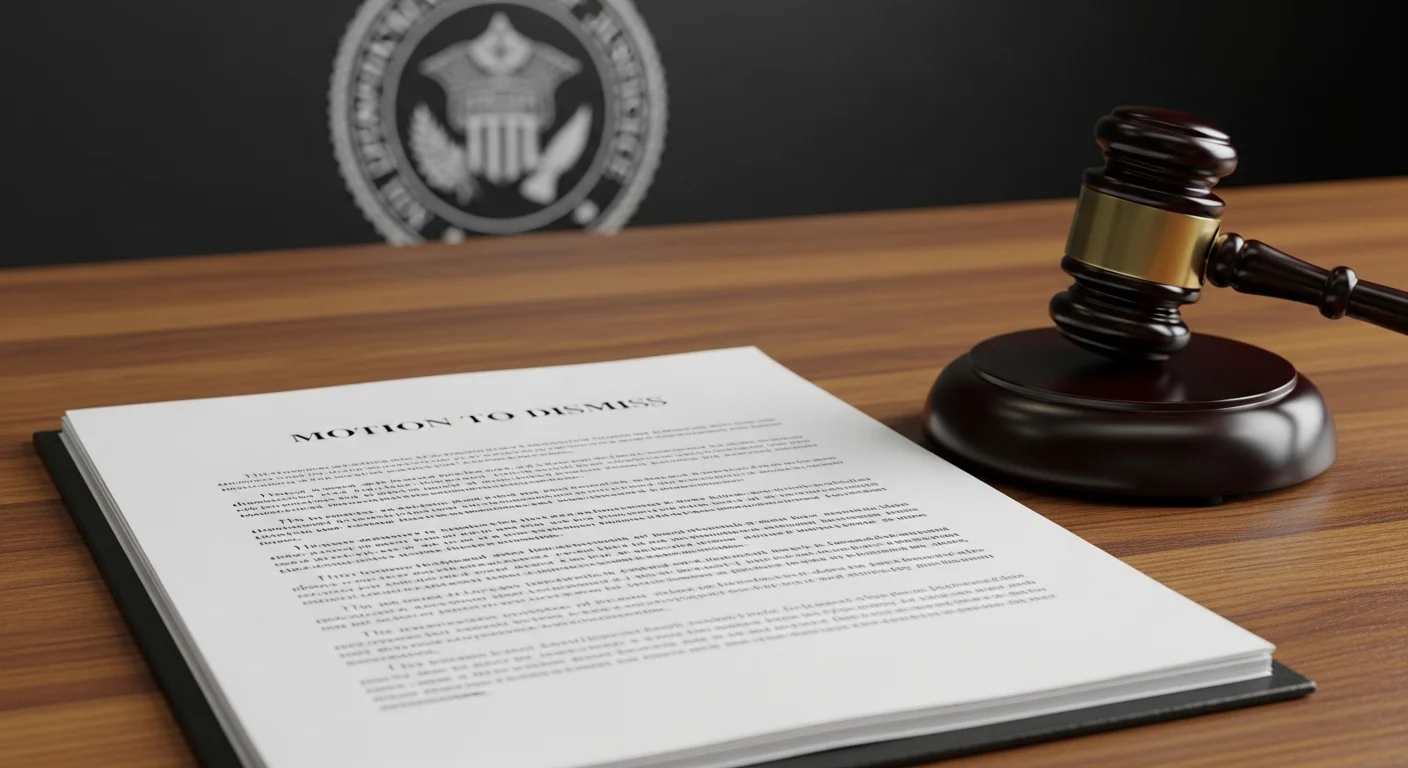
The federal case against David Huerta is over. In a major reversal, the U.S. Department of Justice (DOJ) has moved to dismiss all charges against the prominent California union leader. This move effectively ends a prosecution that captured national attention from labor and civil liberties advocates, pending a judge’s final sign-off.
Motion to Dismiss – A formal request submitted to a court asking for a lawsuit or criminal charges to be dropped. When filed by the prosecution, as in this case, it signifies that the government no longer wishes to pursue the case, often due to evidentiary issues or in the “interest of justice.”
Key Takeaways
- Prosecution Ends: The DOJ filed a motion to dismiss charges against David Huerta, president of SEIU-USWW, bringing the prosecution to a halt.
- A Collapsing Case: What started as a felony charge for obstruction was first watered down to a misdemeanor before the government asked for a complete dismissal.
- First Amendment at the Core: Huerta’s defense consistently argued his actions were protected speech and assembly, framing the case as prosecutorial overreach aimed at stifling labor organizing.
- Why the Dismissal? Prosecutors officially cited that pursuing the case was no longer in the public interest—a common reason for dropping a case with a weak chance of conviction.
- The Final Step: A federal judge’s signature is needed to formally close the case. This is almost always a formality, as judges rarely deny a prosecution’s request to drop its own case.
What Were the Allegations Against David Huerta?
The federal case against David Huerta didn’t involve typical corruption or extortion charges. Instead, it stemmed entirely from his participation in a labor demonstration.
The original indictment hit Huerta with a felony: obstruction of an official proceeding. Prosecutors claimed that during a 2021 protest, Huerta’s conduct crossed a line and interfered with law enforcement. In response, Huerta pleaded not guilty. His defense team immediately fired back, painting the prosecution as a politically motivated attack on labor rights and the constitutionally protected right to protest. That set the stage for a clash over the very boundaries of the First Amendment.
Why Did the Department of Justice Suddenly Move to Dismiss the Charges?
For the DOJ to request a dismissal is a complete reversal. It’s a rare move after a grand jury has already handed down an indictment and prosecutors have spent significant time building their case.
Officially, the motion was filed “in the interests of justice.” That standard legal phrase often masks a host of strategic problems. Even before this, prosecutors had already agreed to reduce the charge from a felony to a misdemeanor, a major red flag signaling weak confidence. This final motion suggests the government realized that securing a conviction was a long shot, or that the resources needed to win weren’t justified. The reassessment was likely forced by powerful constitutional defenses from Huerta’s legal team, potential problems with witness testimony, or the simple fact that the evidence wasn’t strong enough to prove guilt beyond a reasonable doubt.
What was the timeline of the charges against David Huerta?
The legal saga stretched over several years, marked by a steady de-escalation of the charges before the government’s case finally collapsed.
| Date/Period | Legal Action | Outcome for David Huerta |
|---|---|---|
| Late 2021 | Initial incident during a labor protest. | N/A |
| 2023 | A federal grand jury indicts Huerta on a felony charge for obstruction. | Faces a serious felony charge with potential prison time. |
| Early 2024 | Prosecutors agree to reduce the charge from a felony to a misdemeanor. | Significantly reduced legal exposure; threat of a felony record is gone. |
| Mid-2024 | DOJ files a "motion to dismiss" the remaining misdemeanor charge. | Prosecution effectively ends, pending the judge’s formal approval. |
| Late 2024/Early 2025 | A federal judge is expected to formally grant the dismissal. | Case is officially closed, almost certainly “with prejudice.” |
Takeaway: The timeline reveals a clear and progressive collapse of the government’s case, moving from a serious felony indictment to a complete request for dismissal and vindicating the defense’s position.
Who is David Huerta and What Union Does He Represent?
David Huerta is president of the Service Employees International Union-United Service Workers West (SEIU-USWW). He isn’t a newcomer; he’s a long-time fixture in the American labor movement, known for his work organizing low-wage service workers.
SEIU-USWW is a powerhouse union in California, representing thousands of janitors, security officers, and airport staff. Known for aggressive organizing and deep political involvement, the union advocates for higher wages, better working conditions, and social justice. Huerta’s leadership was central to massive campaigns like the Fight for $15. Many in the labor community saw this federal case as a direct attempt to intimidate a powerful union and chill the right to protest—a charge that looks far more credible now that the case has been dismissed. While he and the union have faced scrutiny before, this was the most serious legal threat to his leadership.
What Does This Dismissal Mean for Labor and Federal Prosecutions?
The collapse of the case carries weight far beyond David Huerta himself. It’s a high-profile lesson on the fraught intersection of labor activism, protest rights, and federal power.
For the labor movement, this is a major victory. It validates the union’s stance that the prosecution was an unfounded overreach from the start. Expect the outcome to be used to rally support and push back against future prosecutions of activists, framing them as attacks on fundamental rights. The case is a stark reminder of the importance of protecting international human rights norms like freedom of assembly, even in a domestic context.
But the DOJ’s reversal also invites scrutiny of its own judgment. Why bring a federal felony charge only to abandon it completely? It raises tough questions about the initial investigation, the evidence presented to the grand jury, and the use of prosecutorial resources. The decision reinforces the principle of prosecutorial discretion, but also highlights the immense power the government wields—and the potential for that power to be directed in ways later deemed not in the public interest. Cases with tangled facts, like those seen in white-collar crime defense services, demand meticulous evidence. Failure to secure it can doom a prosecution.
What Happens Next for David Huerta and the Case?
While the DOJ’s motion is the decisive blow, one formality remains. A federal judge must sign an order granting the motion to dismiss. This is nearly always a procedural step. After all, judges rarely force a prosecutor to keep pursuing a case they’ve given up on.
Once signed, the case is shut. The motion was almost certainly filed “with prejudice,” which is legal jargon meaning the DOJ is permanently barred from ever refiling the same charges against Huerta for this incident. This provides true finality. With this legal battle in the rearview mirror, Huerta and SEIU-USWW have stated their intent to get back to their core mission: organizing workers and fighting for economic justice, now with the momentum of having stared down the federal government and won.
⚠️ Time is critical — every day matters
Get a free case assessment
Our team specialises in cases with an international element. We review applicable treaties, assess risks, and prepare an action plan.
🔒 Confidential · Response within 24h · No obligation
Frequently Asked Questions
What is a motion to dismiss?
A motion to dismiss is a formal request to a court to drop a case. It’s a big deal here because the request came from the prosecutors (the DOJ) themselves. It’s a public admission that they no longer wish to pursue the very charges they filed.
Will the charges be refiled?
Highly unlikely. Prosecutors usually file such motions “with prejudice,” a legal term meaning the case is permanently closed and the same charges can’t be brought against Huerta again. If it were filed “without prejudice,” the DOJ could theoretically refile charges, but this is extremely rare when the prosecution itself drops the case based on its merits.
Has Interpol been involved in this case?
No. There is no public information suggesting Interpol was ever involved. The case against David Huerta was a domestic federal matter, handled exclusively by the U.S. Department of Justice. It had no international component that would require something like an [international arrest warrant defense](/services/arrest-warrant/).
How does this relate to international law like ECHR judgments?
Make no mistake: this case is governed entirely by U.S. federal law. International tribunals like the European Court of Human Rights (ECHR) have no direct jurisdiction. That means a decision from a U.S. court, even the Supreme Court, cannot be appealed to an international body. Still, the underlying principles are universal. Core ideas like the right to a fair trial, freedom of assembly, and the duty to avoid baseless charges are bedrock norms you’ll find in both U.S. constitutional law and international human rights conventions.