

 Home
HomeCan You Get Arrested at the Airport?
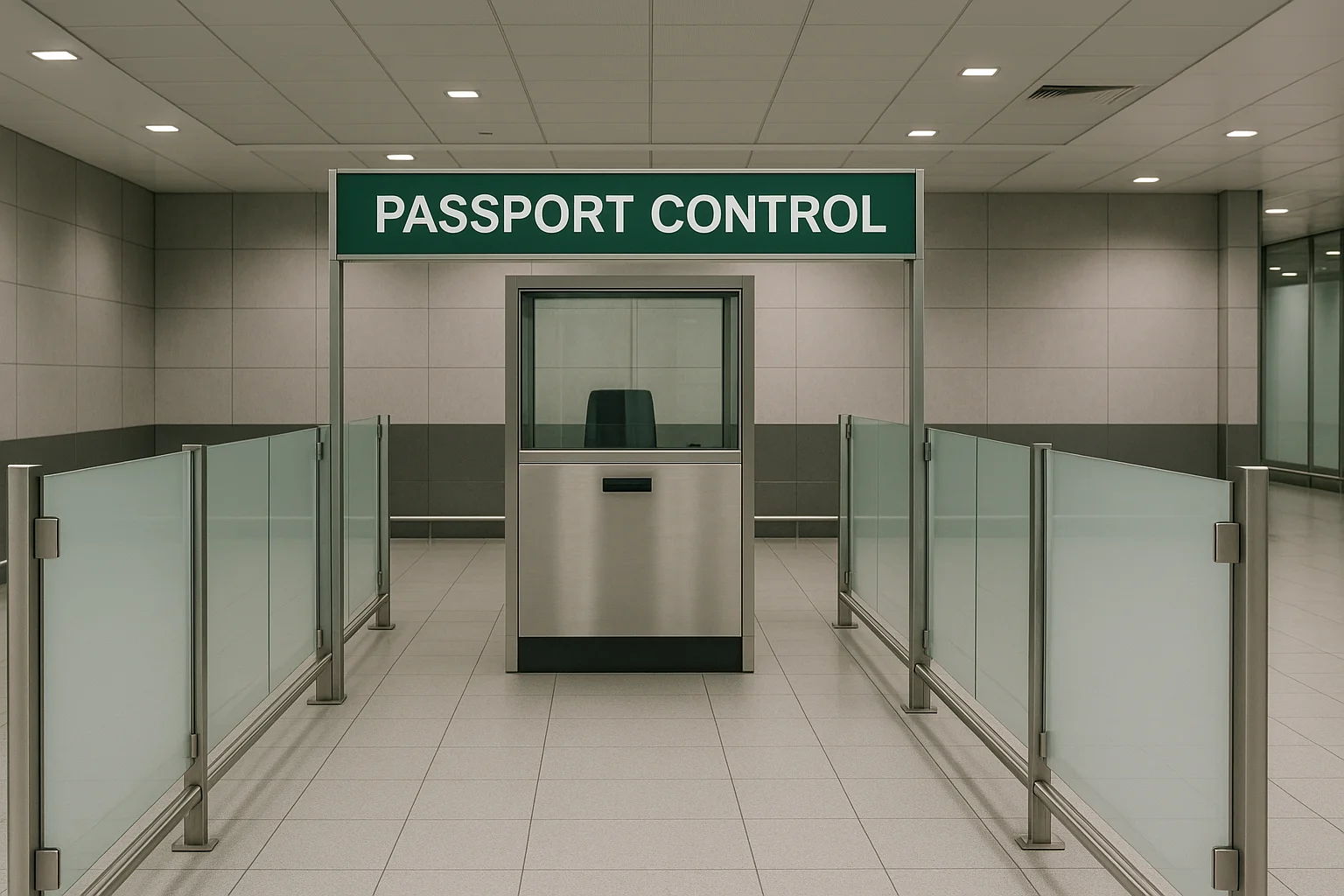
The possibility of being arrested at the airport exists, and this is a concern for many travelers. It is important to understand that airports are high-security environments where law enforcement agencies have the right to check passengers and their luggage for dangerous items or illegal substances.
If you have an open arrest warrant or are suspected of committing a criminal offense, you may be detained at the airport security checkpoint. Having an Interpol red notice can also affect your detention if you are trying to enter a country that has an extradition treaty. These airport arrests have severe criminal charges and the punishment varies according to your case.
Can You Get Arrested at the Airport If You Have a Warrant?
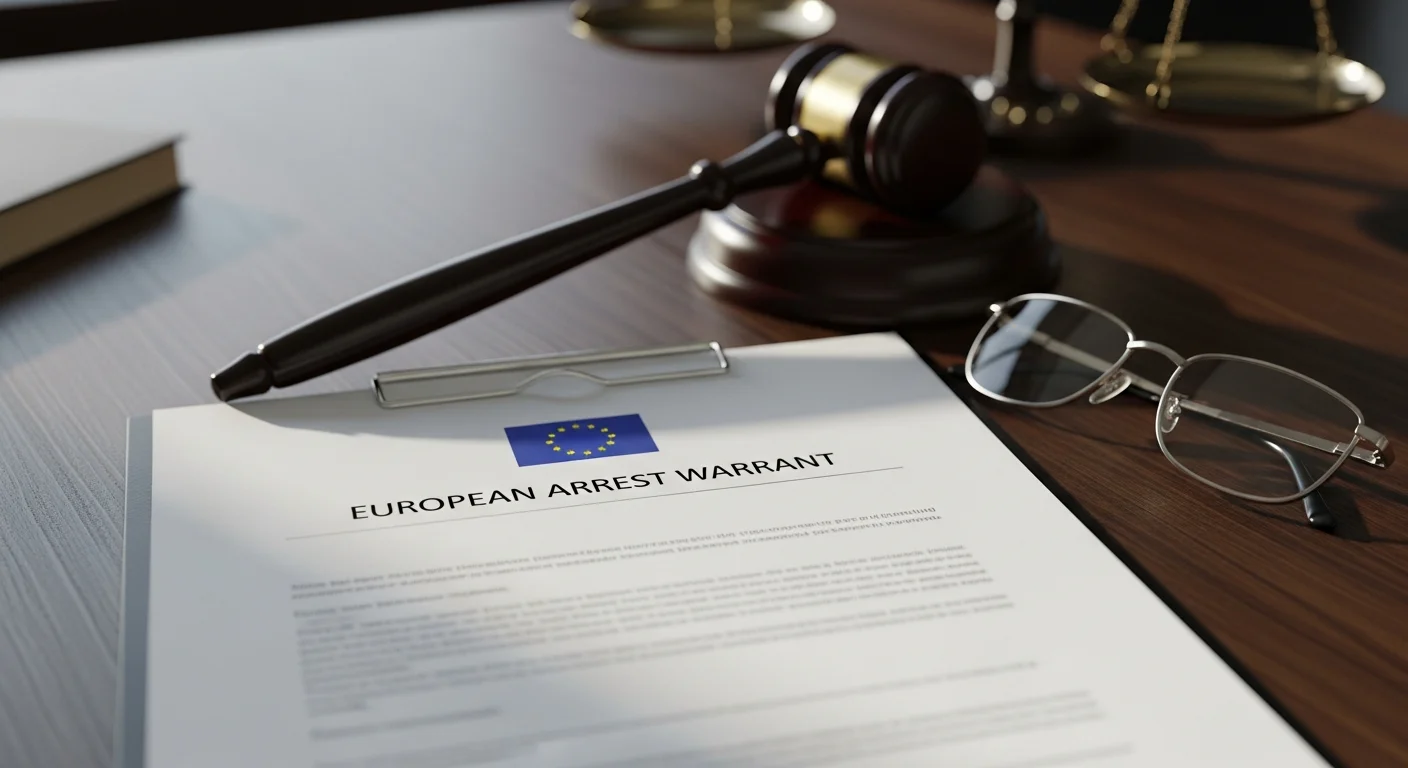
If you have a warrant issued against you, you can be arrested at the airport, and there is a high probability that you may be detained during security screenings, awaiting further legal proceedings. The warrant can be issued in different countries and is related to serious crimes that concern both local and international offenses.
When you check in for a flight or go through airport security screenings, your information is automatically checked against various databases that law enforcement agencies have access to. These databases contain information about outstanding warrants or red notices that may indicate your involvement in criminal cases.
If the screening process reveals that you have an outstanding warrant, for example, in connection with a violation of laws in another country or based on an international Interpol red notice, you may be detained at the airport. This can happen even if you do not suspect that there are outstanding arrest warrants against you, as the information may not be known to the person but is already recorded in international databases.
In case of detention in such a situation, it is important not to panic and immediately contact an experienced criminal defense attorney who specializes in such cases. The criminal defense attorney will help you understand the situation, explain your rights, and provide support during the legal process. Seeking legal counsel is particularly important as it can significantly reduce the risks of serious consequences, such as extradition or prolonged detention without a court order.

What Happens When Someone Gets Arrested at an Airport?
What happens when someone gets arrested at the airport? Usually, the process of checking documents and confirming information about the outstanding arrest warrant begins. Airport security personnel or law enforcement can arrest you if it is confirmed that the person is under an arrest warrant. The person is then taken to the local police station for further legal proceedings.
In such cases, it is important to contact experienced criminal defense attorneys for legal representation, especially if the arrest is related to international warrants or an Interpol red notice. Your legal defense team will help you understand your rights and ensure proper legal protection.
Temporary Arrest
Temporary airport arrests can be applied by immigration officials or customs enforcement agencies when there are suspicions about your identity or documents. For example, if the security system checks raise doubts about the authenticity of your passport or visa, or if you are suspected of international crimes. One of the main reasons for temporary detention is the presence of an active warrant or Interpol red notice, which signals an international wanted list.
During such arrests, you may be temporarily held at the airport detention center to clarify all the unique circumstances of your case. This does not necessarily mean an arrest, but you will be restricted in your movement until all checks are completed. Temporary airport detention allows law enforcement officers to obtain additional information from databases such as Interpol or national law enforcement agencies. This is especially true if your person is suspected in connection with international criminal cases like drug trafficking.
After being detained at the border, the person is taken for court proceedings, where the issue of his or her further detention is considered within 60 hours. If an extradition request from Interpol has not yet been received, the prosecutor files a motion for temporary arrest for up to 40 days. The court has 72 hours from the moment of detention to consider this issue and make a decision: either to detain the person for the specified period or to release him or her if there are no grounds for further detention.
Can you Get Arrested at the Border?
Detention at the border can occur for a variety of reasons, including if a person is found to have illegal drugs or if found carrying prohibited items during an inspection. Often, a person may be detained while attempting to cross the border or while presenting invalid documents.
Another reason for an airport arrest may be the existence of outstanding warrants or an Interpol red notice, which signals the need to detain a person for further extradition. In such cases, airport police or law enforcement officers at the border can immediately take measures to arrest the person, and the fate of the detainee is decided through the court.
Which prohibited items can lead to airport arrests?
Some examples of prohibited items that can get you arrested at the airport by TSA officers include weapons, explosives, flammable materials like crackers, chemicals or toxic substances, and corrosive materials. You can also check the Transportation Security Administration (TSA) website to familiarize yourself with their guidelines and avoid further complications.
Call Interpol Red Notice Lawyer
If you find yourself in a situation where you may be arrested at the airport, you should remain silent and immediately contact professional Interpol notice lawyers for a more favorable treatment. Only an experienced criminal defense attorney can provide timely assistance, explain your rights, and protect you from the potential consequences that follow an airport arrest.
Do not risk your freedom – it is better to contact an experienced lawyer who specializes in international law and airport arrest cases for a strong legal defense strategy tailored to your needs. Call now to get a consultation and protect your interests today.